We were our truest, most authentic selves in childhood. We loved without fear, smiled without regret, and danced like the world was watching and not care. We were awkward and fearless. Simplest of joys made us balloon up with happiness and the tiniest hurt made us burst into a cry. We used to be immensely curious about the world around us, held no prejudices and loved with our hearts. That wholeheartedness is incomparably fascinating, and we have all been there.
Imagine keeping this child like playfulness alive with an adult’s maturity as we grow up, it can be incomparably seductive. A generation of kids raised like that would be emotionally resilient yet vulnerable and kind creative geniuses. WHAT A WORLD that would be! However, that is not the case. We all get Adulterated with things beyond our control. And with some efforts in the right direction, we can unlearn this adulteration.
‘Every child is born an artist. The problem is to remain an artist as we grow up’ ~ Pablo Picasso
Our feelings and thinking patterns both get ‘ADULTerated’ systematically through the social institutions and the parenting culture as we grow up. We become conscious of fear, embarrassment and shame.
According to a NASA study on creative potential, we lose almost 95% of our creativity compared to when we were five. Children are often dumbed down by the way they are shaped. Instead of letting them paint their own sky, we tell them, “The sky is blue.” Like child author Ishita Katyal beautifully said, “Instead of asking your children what they want to become when they grow up, ask them what they want to become now.” Otherwise, they would eventually be a part of this imaginary race of life where they don’t know why they are running and ignore what really really matters in life. (Remember Tamasha? The movie.)
Reminds me of another line I got from Peepal Baba– ‘No matter how fast your run in a rat race, at the end you will still be a rat’
We don’t just loose our creativity but also our emotional capability. And those of us who don’t lose that much end up thinking they are somehow broken but maybe these are the only people responding appropriately to a broken world.
The kind of love we receive in childhood- healthy or otherwise- becomes the cornerstone of how we love as adults. Our attachment styles are shaped by those early experiences. It baffles me how people believe love only becomes real once labeled by a relationship tag, as if no other kind of love exists between people. As children, we made best friends in a single afternoon; and as adults we cannot hold one significant relationship without screwing up.
We’re born creative, emotional, curious, sensitive, compassionate, playful, excited and real. Gradually, we drift. No matter how far we drift, I like to believe there’s a way back.
I felt my most authentic self as a child. Like us all- I got adulterated. Thankfully, I didn’t wander too far from creativity, but, I did not develop shame resilience. I had to unlearn shame and develop resilience around it. I’m still unlearning my patterns. Overall, this did limit me and unlearning my patterns has made me so very sorted in life. Unlearning, however, does not begin without self-awareness as the first step. And, now my whole adult life’s point is unbecoming into the lost child again. (‘The Unbecoming ‘ – could be a book one day.) It’s ironic how we all are so unique down to our every cell and yet where we feel the safest is in conformity.
“Childhood is a promise that is never kept.” So let’s keep it, in our own way. Because unbecoming into the child we once were might just be the truest form of salvation.
~ your friendly neighborhood Guy
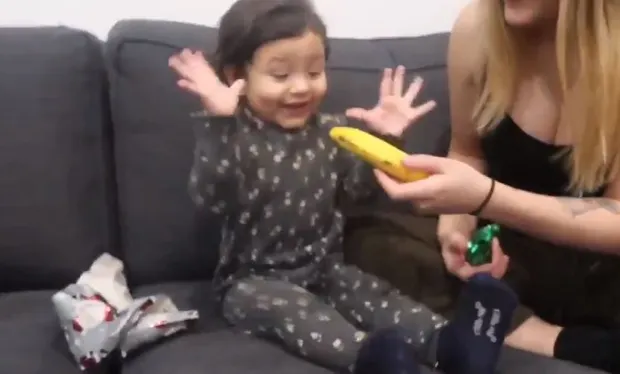
As for the children;
Love them enough but don’t spoon-feed everything that they become incompetent of surviving the real life. Remember, respect goes both ways and at any time you got to appreciate your child’s ideas and say sorry when you’re wrong. You don’t have to teach them compassion and creativity, they were born with it. You got to be careful not to squander it. You don’t have to save them, but it would really help them see you save yourself. And that’s how they learn. Do not shame your kids or for that matter anyone for how they feel or do things nor compare your kids. Shame resilience is developed in Kids when they are loved right for who they are. Shame resilience is an astonishing quality and it is best developed in childhood & Children who develop shame resilience do much better in life practically and emotionally. And just like everyone they are hardwired for struggle and so they’re gonna make mistakes, a lot of them, your job is to love them in spite of their struggle. This also applies to every other person in your life.
In Brene Brown’s words, ‘You know what you’re imperfect and you’re wired for struggle but you are worthy of love and connection’
Links for more: